Car wraps are a very popular way to change the appearance of a vehicle and protect its original paintwork, while at the same time promoting a business. Whether you are considering a full colour change or adding some fresh new branded graphics to a company car, one of the first questions that you are likely to have is: how long do car wraps last?
A professionally installed car wrap will usually last between 3 and 7 years, although this estimated lifespan will depend on the quality of the vinyl and whether the installation process was followed correctly, along with how well the vehicle is maintained.
Some wraps can last even longer than this when they are properly cared for, while others may begin showing signs of wear much sooner.
In this guide, we will fully explain exactly what affects the lifespan of a car wrap and how to keep it looking its very best, along with giving estimates on when it might be time for a replacement.
What Is the Average Lifespan of a Car Wrap?
Most quality vehicle wraps are designed in order to last for several years, making them a practical option for personal vehicles and business branding.
However, not all wraps have the exact same lifespan, as the type of material that is used, the amount of coverage required, and the conditions that the vehicle is exposed to will all influence how long the vinyl remains in good condition.
As a very general guide:
- Full car wraps: These usually last between 3 and 7 years, but this depends on the material used and ongoing maintenance.
- Partial car wraps: These will usually last somewhere between 3 and 7 years, although exposed edges and heavily used areas may wear sooner.
- Printed vehicle graphics: These are most commonly known to last between 3 and 5 years, with premium materials and protective laminates potentially extending their lifespan.
- Specialist finishes: Chrome, metallic and certain textured wraps may have shorter lifespans or require additional care.
These are general estimates rather than guarantees. Manufacturers may also specify different durability ratings for horizontal and vertical surfaces.
At Rock Solid Graphics & Print, we understand the importance of choosing suitable materials and professional installation techniques to achieve an attractive, durable finish.
What Factors Will Affect How Long a Car Wrap Lasts?
There are several different factors that will determine whether a car wrap remains in excellent condition for many years or starts deteriorating much earlier than you would expect.
1. The quality of the Vinyl Material
The quality of the vinyl will be one of the biggest influences when it comes to wrap durability.
Premium cast vinyl is specifically designed to conform to vehicle contours while maintaining its appearance in the long term. It will usually offer better dimensional stability and resistance to shrinking than cheaper alternatives would.
Lower quality materials may initially look very similar but can be much more susceptible to fading and cracking.
Choosing suitable vinyl from a reputable manufacturer will therefore be extremely important, particularly for vehicles that are likely to spend a considerable amount of time outdoors.
2. Professional Installation
Even the very best vinyl can still fail prematurely if it has not been installed correctly.
Vehicle wrapping requires very careful preparation of the surface and accurate positioning, paired with the appropriate application techniques for that specific vehicle. Installers must also account for curves and body panels where the material experiences additional tension.
Poor installation techniques can lead to:
- Air bubbles beneath the vinyl.
- Peeling around edges and corners.
- Premature lifting in recessed areas.
- Visible wrinkles or stretching
A professional installation process will help to minimise these types of issues and will make sure that the wrap is applied according to the material manufacturer’s recommendations.
3. Exposure to Sunlight and Weather
Our Great British climate might not be that famous for its sunshine, but ultraviolet radiation can still affect vehicle wraps.
Prolonged UV exposure can gradually break down pigments and materials, which can potentially cause colours to fade and the vinyl to become brittle.
Periods of heavy rain and fluctuations in temperature can also contribute to long-term wear on the wrap, particularly when this is combined with poor maintenance.
Vehicles that are parked outside on a regular basis are likely to experience deterioration faster than those that are kept in garages.
Horizontal surfaces, such as bonnets or roofs, will often receive more exposure to sunlight and therefore are likely to show signs of ageing before vertical panels do.
4. Cleaning and Maintenance
How you clean your wrapped car can make a significant difference to its lifespan.
Contaminants like dirt, road salt and bird droppings can damage the vinyl if left on the surface for extended periods.
Aggressive cleaning methods can also cause many problems, as high-pressure water that is directed towards wrap edges is likely to encourage lifting, in the same way that using abrasive brushes can scratch or dull the finish.
Regular and gentle cleaning is always the best way to go, as it helps preserve the appearance of the graphics and reduces the likelihood of any avoidable damage.
5. How Frequently the Vehicle Is Used
A vehicle covering thousands of miles each month will generally experience more environmental exposure than one used occasionally.
Motorway driving, loose road debris and regular contact with dirt can gradually wear the vinyl.
Business vehicles may also experience additional wear around door handles, loading areas and other frequently touched surfaces.
This doesn’t mean heavily used vehicles are unsuitable for wrapping. It simply makes appropriate material selection and ongoing maintenance particularly important.
How Can You Make a Car Wrap Last Longer?
Although all car wraps will need replacing at some point, there are a few straightforward precautions that can help to maximise their lifespan.
Wash Your Vehicle Regularly
Regular washing removes any contaminants long before they have an opportunity to damage the vinyl.
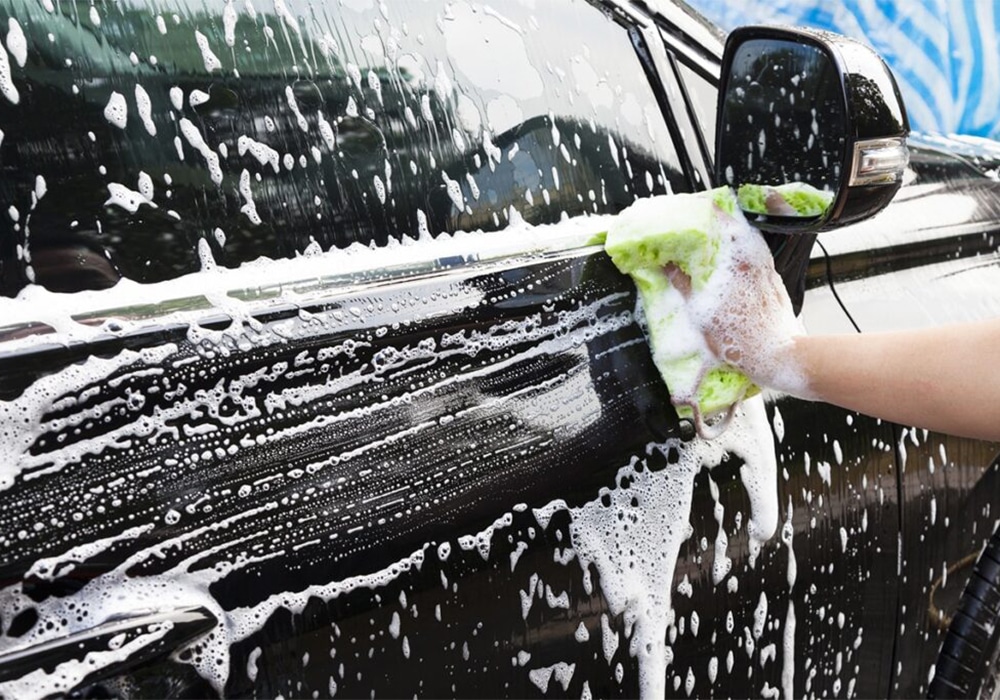
Use a mild cleaning solution that is suitable for vehicle wraps, along with a soft sponge or microfibre cloth.
Rinse thoroughly and always avoid using any harsh chemicals, abrasive products, or scrubbing too aggressively.
Avoid Using Automatic Car Washes
Automatic car washes that use rotating brushes can easily cause damage to vinyl surfaces and can potentially lift exposed edges.
Hand washing is generally the much safer option.
If you are using a pressure washer, make sure that you always follow the vinyl manufacturer’s instructions regarding pressure and nozzle distance. Never direct concentrated water pressure towards the edges of the wrap.
Park in the Shade When This is Possible
Reducing any prolonged exposure to direct sunlight can help to minimise any fading and deterioration, and that is why parking in a garage is ideal, but shaded parking areas can also provide some protection.
If your vehicle spends most of its time outdoors, it may be worth considering this when selecting your wrap material and finish.
Remove Contaminants Promptly
Bird droppings and tree sap, amongst other contaminants, should be cleaned away as soon as you can, as these substances can stain or damage the vinyl, particularly when exposed to heat.
Use cleaning products that are recommended for the wrap material and avoid scraping contaminants away with sharp objects.
Deal With Damage As Early As Possible
Small areas of lifting or damage can start to become much more noticeable if you ignore it.
If you do spot an issue, make sure that you contact a professional vehicle graphics specialist rather than making any attempts to repair with household adhesives.
Depending on the damage and wrap design, it may be possible to replace an individual section rather than the entire wrap.
How Do You Know When a Car Wrap Needs Replacing?
Even a wrap that has been very well-maintained will eventually start to show some signs of ageing.
Some of the most common indications that replacement may be necessary include:
- Fading: Colours will appear noticeably duller or less vibrant than when the wrap was installed.
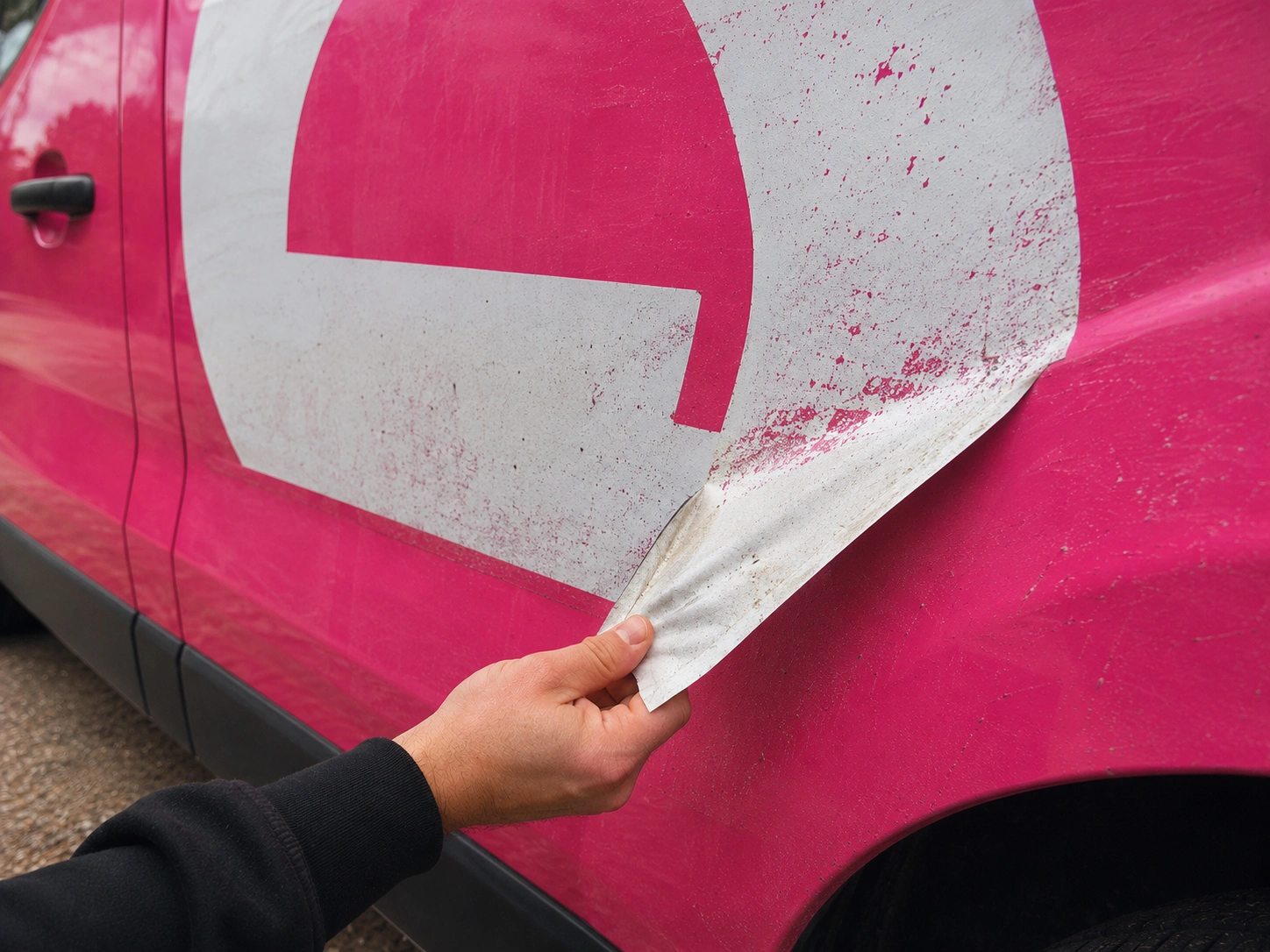
- Peeling edges: Vinyl begins to start lifting around exposed areas such as doors and panels.
- Cracking: Small cracks develop as the material becomes brittle.
- Discolouration: Certain areas change colour or develop uneven patches.
- Persistent bubbling: Sections lose adhesion and no longer sit smoothly against the vehicle.
A wrap doesn’t necessarily need to be replaced because of one small defect, but widespread deterioration does usually indicate that the material is starting to approach the end of its lifespan.
It is always well worth arranging professional removal before the vinyl starts to become severely degraded, as older, brittle material can be more difficult to remove cleanly.
Can a Car Wrap Damage the Paintwork?
One of the most common concerns is whether applying or removing a car wrap can damage the vehicle’s original paint.
When suitable vinyl has been professionally installed and then removed from sound, original factory paintwork, the risk of damage is generally very low.
However, any existing paint defects or poorly repaired panels can substantially increase the risk of paint lifting during removal; therefore, leaving a wrap on significantly beyond its recommended lifespan may also make removal more difficult.
It is for this very reason that it’s so important to have the vehicle’s paintwork assessed properly before installation and to always follow the manufacturer’s guidance on removal.
Are Car Wraps Worth It for Business Vehicles?
For businesses, vehicle wraps offer more than just an attractive appearance; they are able to turn an everyday company car into an advertising opportunity on wheels.
Unlike some forms of advertising that require ongoing payments, professionally installed vehicle graphics can promote a business throughout their usable lifespan.
Whether the vehicle is parked outside a customer’s property or is travelling through Norwich city centre, a branded vehicle can help increase local visibility.
The potential value depends on the design, vehicle usage and how effectively the graphics communicate your business information.
At Rock Solid Graphics & Print, we have been designing, producing and installing vehicle graphics for over 25 years now. Our in-house design team can help businesses create graphics that look professional, communicate clearly, and suit their vehicles.
Professional Car Graphics in Norwich and Norfolk
A car wrap is an investment in your vehicle’s appearance, so choosing experienced professionals is the most important part of achieving a long-lasting result.
Rock Solid Graphics & Print provides vehicle graphics and wrapping services for businesses throughout Norwich and Norfolk.
From simple branded decals to much more extensive vehicle graphics, our team can help you find a solution that suits your vehicle, requirements and budget.
With over 25 years of experience and an in-house design team, we take care of the design, production and installation process.
Interested in transforming your vehicle? Explore our Car Graphics service or contact Rock Solid Graphics & Print to discuss your ideas and request a quote.
Frequently Asked Questions About Car Wrap Lifespan
How long does a full car wrap last?
A professionally installed full car wrap typically lasts between 3 and 7 years. Premium materials, careful maintenance and sheltered parking can help extend its lifespan, while prolonged sunlight exposure and harsh cleaning may shorten it.
Can a car wrap last 10 years?
Some wraps may remain attached for 10 years, but this is generally beyond the expected service life of most vehicle wrapping films. Fading, brittleness and adhesive deterioration become more likely, potentially making removal difficult.
Do car wraps fade in the sun?
Yes. Prolonged exposure to ultraviolet radiation can gradually cause car wraps to fade. Premium vinyl materials and protective laminates can improve resistance, while parking in shaded areas helps reduce exposure.
How long do car wraps last in the UK?
In the UK, quality car wraps generally last around 3 to 7 years. The lifespan depends on the vinyl, installation quality, vehicle usage and maintenance. British weather conditions can contribute to wear, particularly when vehicles are parked outdoors throughout the year.
Can you wash a wrapped car?
Yes. Wrapped cars should be washed regularly using gentle cleaning products and soft cloths or sponges. Hand washing is generally recommended over automatic brush washes, which may scratch the vinyl or damage its edges.
Is it cheaper to wrap a car or paint it?
The cost depends on the vehicle, wrap coverage, material and quality of the paintwork required. A wrap can be less expensive than a high quality full respray, although pricing varies considerably. Wraps also offer the advantage of being removable when professionally applied to suitable paintwork.